← All daily discoveries
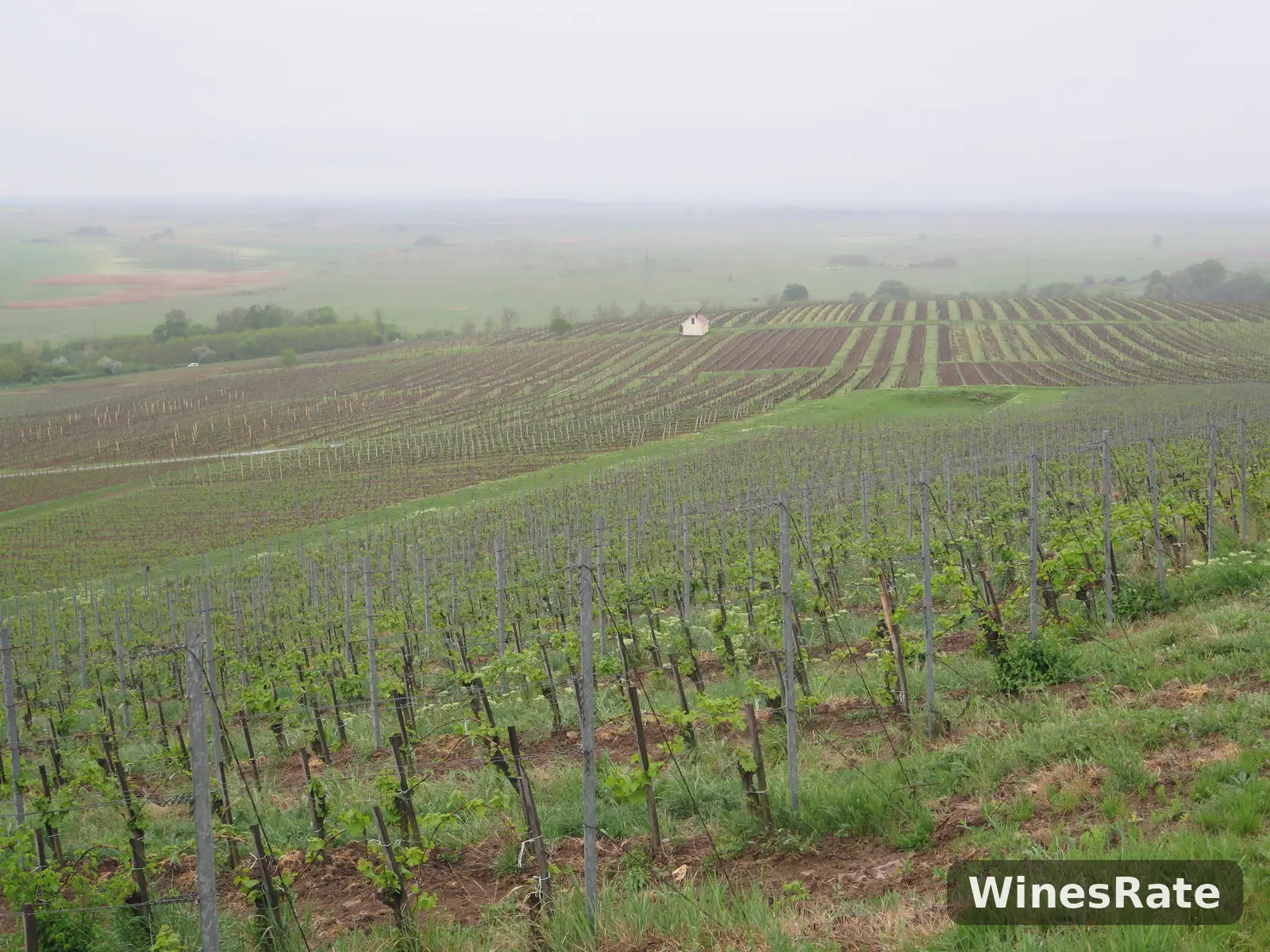
The Mézes Mály vineyard in Tarcal, Tokaj, with vine rows climbing the volcanic hillside

WinesRate Guide

Tokaj Wine Region: Tokaji Aszú, Cellars & How to Visit Hungary's UNESCO Wine Land

A thousand years of winemaking, the world's first closed wine region, and cellars carved by hand into volcanic rock — all of it built on one fungus and one grape. Every fact below was checked against UNESCO, Hungary's national tourism office and the Mád estates' own visit pages on 28 November 2026.

UNESCO since 2002Closed region since 1737Settlements: 27Aszú vertical: 28,000 Ft
Photo: Mézes Mály vineyard in Tarcal, by JezW — CC BY-SA 4.0, via Wikimedia Commons.
Tokaj town — the hub river confluence →Tarcal — King Kálmán's cellar since 1110 →Mád — first-growth village cellar capital →Erdőbénye — coopers' valley festivals

The short answer: what is Tokaj, exactly?

Tokaj is two things at once: a small town, and a whole wine region named after it. The region — Tokaj-Hegyalja, the Tokaj foothills — sits in north-east Hungary where the Bodrog meets the Tisza, in the foothills of the Zemplén Mountains. It is a UNESCO World Heritage Site since 2002, listed as the Tokaj Wine Region Historic Cultural Landscape, covering 27 settlements. The town of Tokaj is where the train stops and where most visitors base themselves; the region is the reason you are going.

The wine that made it famous is Tokaji Aszú, a sweet wine made from grapes shrivelled by noble rot — the Botrytis cinerea fungus that the region's river mists and autumn sunshine encourage. The aszú berries are hand-picked botrytised berries, and the wine they make has been famous in European courts since the 17th century: Hungary's tourism office quotes King Louis XV calling it the king of wines and the wine of kings. But Tokaj is not only sweet wine — the dry Furmint made from the same grape is, in the tourism office's words, rapidly growing in popularity, and it is the wine to start with.

2002
UNESCO listing
cultural landscape
1737
closed region
world's first
27
settlements
in the property
12°C
cellar temperature
bring a sweater

One honest limit: most Tokaj estates publish no fixed tasting menu — visits are by appointment, and prices depend on the flight you choose. This guide gives you the one published price that is printed plainly on an estate's own page — Holdvölgy's six-vintage aszú vertical at 28,000 Ft per person — and tells you to book ahead and confirm before you travel rather than quoting a valley average.

The region in numbers

Verified against UNESCO and Hungary's national tourism office, Visit Hungary, on 28 November 2026. The numbers are the reason the region is listed — not for one building, but for a whole worked landscape.

FigureWhat it isWhy it matters
2002 The year UNESCO inscribed the Tokaj Wine Region Historic Cultural Landscape on the World Heritage List. The listing covers the whole landscape — vineyards, settlements and cellars together.
27 settlements The settlements in the World Heritage property and its buffer zone — 13,245 hectares of property and 74,879 hectares of buffer zone. Tokaj is a region of villages, not a single town: plan to move between them.
1737 The decree of Emperor Charles VI that established the area as a closed wine region — among the first delimitations in the world. Tokaj was legally defined as a wine region before Bordeaux was classified.
1561 Documented history of the wine region begins — grape cultivation and aszú winemaking have been permanent here for centuries. UNESCO credits a viticultural tradition of at least a thousand years.
11,149 hectares Land in the wine region amenable to grape production, of which 5,813 hectares are currently utilised. The region is far from fully planted — vineyards and fields share the hills.
1110 King Kálmán's cellar in Tarcal is known to have been in existence as early as 1110. The cellars are the region's oldest structures — older than most of its churches.
12°C The temperature inside Holdvölgy's cellars, all year round. Bring a sweater and proper shoes: the cellars are cold, and some passages are wet and slippery.

⏱ The money fact: the one tasting price printed plainly on an estate's own page is Holdvölgy's Tokaji aszú tasting experience — six aszú vintages, 28,000 Ft per person — in a 500-year-old cellar system almost 2 km long. Most other estates publish no prices. Book ahead, and confirm the price when you book.

The first written reference to Tokaji Aszú came in 1571, according to Visit Hungary — a decade after UNESCO's 1561 date for the region's documented history.

Why Tokaj tastes like nowhere else

UNESCO and Visit Hungary agree on the recipe: volcanic soil, river mist, autumn sun, and a fungus. Four facts explain the wine.

Noble rot — the mist makes it

The region's magic is Botrytis cinerea, the noble rot. Wetlands by the Tisza and Bodrog rivers produce great quantities of water vapour in autumn, and the protected local climate of the Zemplén Mountains lets the fungus take hold — then the autumn sunshine concentrates the sugar inside the shrivelled grapes. Morning mist, afternoon sun: without both, there is no aszú.

Volcanic rock — 9 million years old

The vineyards sit on volcanic rock, the result of vigorous volcanic activity 9 million years ago, according to Visit Hungary. The volcanic slopes, and the oak woods around them, are part of what UNESCO lists as outstandingly favourable for grape cultivation — and the cellars themselves are hand-carved into that same volcanic rock.

Cellars — hand-carved labyrinths

The most characteristic structures in Tokaj are its historic networks of wine cellars, carved by hand into mostly volcanic rock — UNESCO's words. There are two basic types, vaulted and excavated, and they run for kilometres underground: Holdvölgy's system in Mád is almost 2 km long on three levels, with some passages over 500 years old.

Furmint — the grape behind everything

Furmint is the region's main variety, with Hárslevelű as its usual partner; Sárgamuskotály, Kabar, Zéta and Kövérszőlő complete the set. Furmint is late-ripening, high in acidity and prone to botrytis — which is exactly why it makes both the great sweet wines and, increasingly, the dry wines that are now the region's fastest-growing style.

What to taste: four styles, one grape

Learn these styles and you can order with confidence anywhere in Tokaj.

Dry FurmintStart here

Dry Furmint — the wine Tokaj drinks now

Start with dry Furmint: full-bodied, high in acidity, mineral and precise — the same grape as the sweet wines, made bone dry. Visit Hungary says the dry wines of the region are rapidly growing in popularity, and Mád is a Furmint village — the grape grows on 65% of its vineyards, per Visit Hungary's regional booklet. Taste a dry Furmint first, and the sweet wines make sense afterwards.

Tokaji AszúThe famous one

Tokaji Aszú — the king of wines

Tokaji Aszú is the wine that made the region famous: hand-picked botrytised berries, shrivelled by noble rot, made into a dense, honeyed, high-acid sweet wine. Labels still show the traditional puttonyos number, and Hungary's food safety authority sets a minimum of 120 grams per litre of residual sugar for aszú from grapes harvested after 1 August 2013. The way to taste it properly is a vertical: Holdvölgy's seated tasting of six aszú vintages (28,000 Ft) is the most complete introduction in the region.

Szamorodni“As it comes”

Szamorodni — the everyday sweet

Szamorodni means “as it comes”: whole bunches are harvested and fermented together, botrytised berries and all. Sweet szamorodni keeps 100 to 120 grams of sugar or more per litre, while the dry version ferments fully and can need years of ageing. It is the region's most approachable sweet wine — the one to buy by the bottle rather than by the tasting glass.

EszenciaThe rarest

Eszencia — the wine served by the spoonful

Eszencia is the liquid that drips from aszú berries before pressing: in the best years its sugar can reach 850 grams per litre, which keeps the alcohol low, at 2 to 6 degrees. It is the rarest wine in the region — if a cellar offers you a taste, take it.

HárslevelűThe partner

Hárslevelű — Furmint's softer partner

Hárslevelű — “linden leaf” — is Furmint's usual blending partner: softer, more aromatic, less prone to botrytis. On its own it makes a fragrant, gentle white; blended with Furmint it rounds the edges of aszú. Taste a pure Hárslevelű if you can find one — it is the grape that shows the region's softer side.

A three-day plan: town, Mád, and the villages

Base in Tokaj town — the region's hub, where the train stops — and give each day to one part of the region. Book every cellar visit ahead: most estates open by appointment.

Day 1Tokaj town

The town, its cellars and its museum

Start in Tokaj town itself, where the Bodrog meets the Tisza. Walk the main square, visit the World Heritage Wine Museum, and descend into the Rákóczi Cellar, whose great hall — 28 metres long — is described in Visit Hungary's regional booklet as the largest underground room in the wine region. Taste dry Furmint and aszú at a town cellar in the afternoon, and eat in the town in the evening.

Day 2Mád

Mád — the cellar capital

Give a full day to Mád, a Furmint village where the grape grows on 65% of the vineyards. Book the Holdvölgy aszú vertical (six vintages, 28,000 Ft, over two hours in a 500-year-old, 2 km cellar at 12°C — bring a sweater), and visit Royal Tokaji, one of Mád's landmark estates — check its site and book ahead. Give Mád the whole day: its cellars reward unhurried tasting.

Day 3Tarcal & Erdőbénye

Tarcal, Erdőbénye and the cellar villages

On the third day, go to Tarcal — home of King Kálmán's cellar, in existence since 1110, and of the Mézes Mály vineyard in the photograph at the top of this page — and on to Hercegkút, whose Gombos Hill holds 179 grass-covered, triangle-shaped cellars, and Erdőbénye, which hosts a wine festival in August.

No car?Train + walking

Doing Tokaj without a car

Tokaj is a station on MÁV's line 100c, and MÁV notices refer to Tokaj InterCity trains on the Budapest–Miskolc–Nyíregyháza corridor — check jegy.mav.hu for current times. Tarcal sits on the local line next to Tokaj town, so a morning tasting there pairs well with an afternoon in town. Mád is a day of its own — or take a wine tour with a driver. Holdvölgy's cellar is a 16-minute walk from Mád station.

Costs & getting there: practical answers

Everything below is from UNESCO, Visit Hungary and Holdvölgy's own visit page, checked 28 November 2026. Prices are in Hungarian forints.

🎟 Costs & visiting rules

  • Holdvölgy aszú vertical: six Tokaji aszú vintages, 28,000 Ft per person, over two hours, in a 500-year-old cellar at 12°C. Tastings for 1–2 people need no reservation, but booking is recommended.
  • Holdvölgy hours: Sunday–Thursday 10am–3pm, Friday–Saturday 10am–5pm. Closed 1 January, Easter Sunday and Monday, 1 November, 25–26 December.
  • Non-drinkers: tours can be enjoyed without alcohol; Holdvölgy charges 2,500 HUF for adults not drinking, usable as a coupon in the wine shop. Under-18s join the tour free of charge but are not served alcohol.
  • Royal Tokaji: one of Mád's landmark estates — check its site and book ahead.
  • Cellar conditions: 12°C all year, some passages wet and slippery — wear a sweater and proper shoes. The cellar is reached by steps and is not wheelchair accessible.
  • Booking: most estates open by appointment, often closed Sunday and Monday — book days to weeks ahead for the classified-growth estates.

📍 Getting there & around

  • By train: Tokaj is a station on MÁV's line 100c, with InterCity trains on the Budapest–Miskolc–Nyíregyháza corridor — check jegy.mav.hu for current times.
  • Mád by train: Mád is a day of its own. Holdvölgy is a 16-minute walk from Mád station.
  • By car: Visit Hungary's regional booklet gives 230 km and 2 hours 30 minutes from Budapest; plan a driver or a tour if you are tasting.
  • Base: Tokaj town for the hub, Mád for the cellars — both have guesthouses and wine hotels.
  • When to go: because aszú grapes are picked late — sometimes between October and December — the cellar year does not stop in autumn: autumn humidity followed by dry, sunny days is what helps the noble rot develop.
  • While you're there: the photograph at the top of this page is the Mézes Mály vineyard in Tarcal, one of the region's first-growth sites.

Keep planning with WinesRate

Before you go, browse the regions you'll be tasting: start from the WinesRate homepage, explore wine regions — 190 regions across 17 countries, read our slow-weekend travel journal in the Mosel, and check what bottles cost back home in our wine retail price reports. WinesRate doesn't sell alcohol and publishes no ratings or scores — just real prices from real stores.

Frequently asked questions

The questions readers ask about the Tokaj wine region, answered from the verified details above.

When was the Tokaj wine region listed by UNESCO?

In 2002, as the Tokaj Wine Region Historic Cultural Landscape. The property and its buffer zone cover the administrative area of 27 settlements — 13,245 hectares of property and 74,879 hectares of buffer zone — in the foothills of the Zemplén Mountains, along the Bodrog River where it meets the Tisza.

What is Tokaji Aszú, and how is it made?

Tokaji Aszú is a sweet wine made from grapes shrivelled by noble rot — the Botrytis cinerea fungus, encouraged by the region's river mists and autumn sunshine. The aszú berries are hand-picked botrytised berries, trodden into a paste and steeped in must for one or two days, and made into a dense, honeyed sweet wine. The first written reference to the wine dates to 1571.

Why is Tokaj called the world's first closed wine region?

A decree of Emperor Charles VI in 1737 established the area as a closed wine region — among the first legal delimitations of a wine region anywhere in the world. Documented history of the region goes back to 1561, and UNESCO credits a viticultural tradition of at least a thousand years.

How much does a Tokaj cellar tasting cost?

It depends on the estate, and most publish no prices — visits are by appointment. The one price printed plainly on an estate's own page is Holdvölgy's: a seated tasting of six Tokaji aszú vintages costs 28,000 Ft per person and lasts over two hours. Adults who tour without drinking pay 2,500 HUF, usable as a coupon in the wine shop. Confirm the price when you book.

What grapes are grown in Tokaj?

The two main varieties are Furmint and Hárslevelű, used for both sweet aszú and dry wines. Sárgamuskotály (Muscat Blanc à Petits Grains), Kabar, Zéta and Kövérszőlő are also grown. Furmint is the dominant grape — late-ripening, high in acidity and prone to botrytis — and its dry wines are rapidly growing in popularity.

How do I get to Tokaj from Budapest?

Visit Hungary's regional booklet gives 230 km and 2 hours 30 minutes from Budapest. By train, Tokaj is a station on MÁV's line 100c, and MÁV notices refer to Tokaj InterCity trains on the Budapest–Miskolc–Nyíregyháza corridor — check jegy.mav.hu for current times. An overnight stay leaves time for the cellars and the villages; Holdvölgy's cellar is a 16-minute walk from Mád station.

Sources & how this page was made

Checked on 28 November 2026 against the official sources below:

  • UNESCO World Heritage Centre — “Tokaj Wine Region Historic Cultural Landscape” (whc.unesco.org/en/list/1063/): inscribed 2002, 27 settlements, 13,245 ha property and 74,879 ha buffer zone, viticultural tradition of at least a thousand years, documented history since 1561, 1737 decree establishing the closed wine region, noble rot (Botrytis cinerea) microclimate, cellars hand-carved into volcanic rock, King Kálmán's cellar in Tarcal in existence since 1110.
  • Visit Hungary — “The Tokaj Wine Region” (visithungary.com/articles/the-tokaj-wine-region): Tokaj and 26 surrounding settlements, 11,149 ha amenable to grapes with 5,813 ha utilised, first written reference to Tokaji Aszú in 1571, King Louis XV's “king of wines and the wine of kings”, Furmint and Hárslevelű as the two main varieties plus Sárgamuskotály, Kabar, Zéta and Kövérszőlő, dry wines rapidly growing in popularity, volcanic rock from activity 9 million years ago, wetlands and autumn water vapour behind the noble rot.
  • Holdvölgy — “Tokaji aszú tasting experience” (holdvolgy.com/en/wine/aszu-tasting-experience/): six aszú vintages 28,000 Ft per person, cellar almost 2 km long on three levels with passages over 500 years old, 12°C cellar temperature, hours Sunday–Thursday 10am–3pm and Friday–Saturday 10am–5pm, closed 1 January, Easter Sunday and Monday, 1 November, 25–26 December, 16-minute walk from Mád station, tours 1.5–2 hours, under-18s free on the tour, non-drinkers 2,500 HUF usable as a shop coupon, cellar reached by steps.
  • Tokaj Tourism (tokaj-turizmus.hu) — “Wine-grape varieties”: Furmint as the region's primary variety, valued for noble rotting and acid-preserving qualities; Hárslevelű as the other decisive variety; Sárga muskotály, Kabar and Zéta.
  • TouristsInsider — “Tokaj Wine Region Guide: Tokaji Aszú, Cellars and Towns (2026)” (touristsinsider.com), reporting the Tokaj town website (tokaj.hu) and Visit Hungary's regional booklet: the three styles aszú, szamorodni and eszencia; aszú from hand-picked botrytised berries steeped in must; puttonyos labels; Nébih's 120 g/L minimum for aszú; sweet szamorodni at 100–120 g/L or more; eszencia up to 850 g/L sugar and 2–6 degrees alcohol; aszú fermented at least 18 months in oak; 230 km and 2 hours 30 minutes from Budapest; Tokaj station on MÁV line 100c; Rákóczi Cellar great hall 28 metres long; World Heritage Wine Museum; Mád as a Furmint village; Hercegkút's Gombos Hill with 179 cellars; Erdőbénye wine festival in August.
  • WinesRate (winesrate.com): homepage, Regions, Mosel travel journal and Market Reports pages — linked in “Keep planning” above and verified live on 26 November 2026.

The topic came from current social and trade conversation about European wine regions to visit. This page is original WinesRate content: every word was written for WinesRate, all facts were re-verified from the official sources above, and no text, image or video was copied from any post or creator. The only photograph used is the CC BY-SA 4.0 Wikimedia Commons image credited in the hero. WinesRate does not sell alcohol and publishes no ratings or scores.

This guide lives at winesrate.com/discover/tokaj-wine-region/ · Prepared 28 November 2026.